CRNA-Administered IV Moderate & Deep Sedation Without General Anesthesia
Conveniently located to serve the areas of San Antonio, Boerne and McAllen, TX
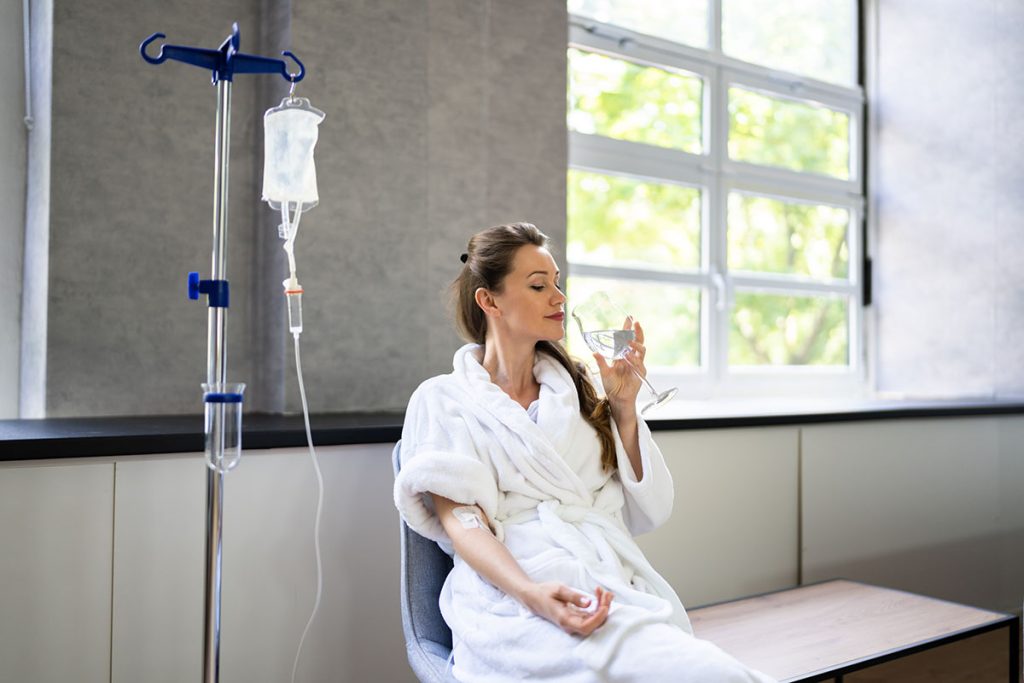
CRNA-administered IV moderate and deep sedation without general anesthesia, or conscious sedation, is an effective way for patients to remain relaxed and pain-free during procedures without the taxing effects of general anesthesia. This technique allows patients to breathe independently without requiring artificial airway support.
New Life Cosmetic Surgery and Medspa is led by Dr. Daniel Lee, DO, a board-certified cosmetic surgeon. He prefers to perform his procedures with moderate and deep sedation to enhance patient safety and avoid the side effects of general anesthesia. Contact us online or call any of our offices to explore how CRNA-administered IV moderate and deep sedation can enhance your procedure outcomes.
- McAllen: (956) 969-8369
- Boerne: (830) 515-5193
Contents
About CRNA-Administered IV Moderate & Deep Sedation
Certified Registered Nurse Anesthetist (CRNA)-administered IV moderate and deep sedation, delivers sedative medication intravenously to induce a state of sleepiness and relaxation during medical procedures in place of general anesthesia. The IV sedation medication enters directly into the bloodstream, which allows the CRNA to adjust the dosage precisely before and during the procedure. (1)
Moderate Sedation
Moderate sedation keeps patients in a “semi-awake” state using an IV line. This method relieves anxiety and discomfort during procedures, but it allows patients to remain conscious, breathe independently, and respond to stimuli.
Deep Sedation
Deep sedation places patients in a deeper state of relaxation during their procedures. They can still breathe independently, but they will be less conscious. During deep sedation, a CRNA manages the patient’s vital signs while the surgeon performs the procedure. This method reduces anxiety and limits most sensations, but patients can still unconsciously respond to repeated stimulation during the procedure (e.g., involuntary muscle movements). (2)
Benefits
Dr. Lee prefers CRNA-administered IV moderate and deep sedation over general anesthesia for several reasons. Primarily, it provides deep relaxation while reducing risks. Many patients describe it as the best sleep they have ever had. It also offers a variety of other benefits, including:
- Independent breathing
- Faster recovery
- Reduced cardiovascular risk
- Optimal patient experience
- Precise adjustment to medication
- High safety profile
- Reduced risk of side effects like nausea, vomiting, fatigue, confusion, and others
The Drawbacks of General Anesthesia
Although general anesthesia is beneficial in certain circumstances, there are risks. General anesthesia can cause allergic reactions to the medication, heart or lung problems, aspiration, nerve damage, stroke, and, in rare cases, awareness during surgery that enables the patient to move. Depending on a patient’s medical history, they may face more risks than these alone.
If it is safe for a patient to receive general anesthesia, they can still face side effects after their procedure. One in three patients reports nausea and vomiting (3), and other common symptoms include fatigue, confusion, shivering, sore throat, and even low-grade fevers. (4) Some patients also experience dental damage, lung issues, and cognitive dysfunction. (4)
These side effects strain your body after a procedure and prolong your recovery unnecessarily. By minimizing these effects, your body can focus on healing, and you will see the confidence-boosting results of your procedure sooner.
Administering CRNA-Administered IV Moderate and Deep Sedation
Before your procedure begins, a CRNA will evaluate your airways and check your vitals. After ensuring that your body is ready, they will insert the IV. For moderate sedation, the IV drip typically contains midazolam and fentanyl, while deep sedation typically uses mainly propofol. Your CRNA will monitor the titration process, starting with a slower flow until reaching the desired level of sedation with a specific breathing and heart rate, blood pressure, and level of consciousness. Your CRNA will monitor you throughout the procedure, ensuring your vitals remain consistent and minimizing the possibility of complications.
Recovery
After your procedure, Dr. Lee, a CRNA, and our team will closely monitor your vitals and alertness in a recovery area. Before we let you return home, you must be awake and able to drink fluids without nausea. You may experience temporary grogginess, nausea, or dizziness. We require you to arrange transportation home after your procedure, as you will not be able to drive for at least 24 hours.
When you return home, you will need to rest, as fatigue may persist for a few hours. Dr. Lee recommends consuming clear liquids and eating light meals. The duration of your recovery will vary depending on the specific sedation technique you receive and individual variables such as age and health background.
You will also receive recovery instructions that are specific to your procedure. Following all information closely will make the first few hours of your recovery as smooth as possible, which will make the process easier long-term.
Cost of CRNA-Administered IV Moderate or Deep Sedation in Rio Grande Valley and Boerne, TX
During your consultation, you will receive a comprehensive cost outline for your procedure. This will include the cost of your selected anesthesia method. Contact us online or call either New Life office to schedule your personal consultation and explore the cost of your anesthesia.
- McAllen: (956) 969-8369
- Boerne: (830) 515-5193
FAQ
What is CRNA-administered IV moderate or deep sedation?
It is a sedation technique that provides medication intravenously to relax patients during surgical procedures.
Why is CRNA-administered IV moderate or deep sedation better than general anesthesia?
In some cases, CRNA-administered IV moderate or deep sedation is better than general anesthesia because it allows patients to breathe on their own (without a breathing tube) and offers a faster recovery with less nausea and vomiting. There are also fewer risks of complications associated with blood pressure changes during the surgery. How much does CRNA-administered IV moderate or deep sedation cost? The cost of anesthesia depends on the length of your procedure. This will be discussed with our team at the time of your consultation. How long will it take to recover from CRNA-administered IV moderate or deep sedation? It usually takes 1 to 2 hours to walk after moderate or deep sedation, but you may feel tired for up to 24 hours. How do many people describe the IV moderate or deep sedation? They often describe it as the best sleep they have ever experienced. What other non-cosmetic procedures or surgeries are done under IV sedation? More and more surgeries are being done under IV sedation because of the benefits over general anesthesia. Knee and hip replacements are now often being done under IV sedation. Colonoscopy procedures are also done under IV sedation.
References
- Statement on Granting Privileges for Administration of Moderate Sedation to Practitioners Who are Not Anesthesia Professionals. Asahq.org. Published 2024. https://www.asahq.org/standards-and-practice-parameters/statement-on-granting-privileges-for-administration-of-moderate-sedation-to-practitioners-who-are-not-anesthesia-professionals
- Crego N. Procedural Sedation Practice: A Review of Current Nursing Standards. Journal of Nursing Regulation. 2015;6(1):50-56. doi:https://doi.org/10.1016/s2155-8256(15)30010-7
- Hatch M. Made For This Moment | Anesthesia, Pain Management & Surgery. Made For This Moment | Anesthesia, Pain Management & Surgery. Published 2024. https://madeforthismoment.asahq.org/anesthesia-101/types-of-anesthesia/general-anesthesia/